
What Vegetables Dogs Can Eat and What to Avoid
While some vegetables (like carrots and green beans) may be great low-calorie treats for your dog, other vegetables, such as onions and garlic, can give dogs an upset stomach or even cause serious health problems.
In this guide, we'll talk about which vegetables are generally safe for most dogs to eat, which ones to skip entirely, and why certain vegetables pose serious health risks even in small amounts.
Keep in mind that several different things can influence which vegetables are OK for your dog, including age, weight, breed, health, allergies, and current diet.
Always talk to your veterinarian before introducing any vegetables (or any new food) into your dog’s diet, especially if they have a health condition that requires a prescription diet.
Key Takeaways
- Carrots, green beans, cooked sweet potatoes, broccoli, peas, cauliflower, and cooked potatoes are generally safe for most dogs to eat when served plain.
- Never feed your dog onions, garlic, chives, shallots, wild mushrooms, raw potatoes, and corn on the cob. These vegetables are toxic or pose a choking hazard.
- Always talk to your veterinarian before letting your dog try a new vegetable, especially if your dog has a sensitive stomach.
Can Dogs Eat Vegetables?
Certain vegetables are generally safe for your dog to enjoy as long as you serve them plain and prepare them correctly. However, other vegetables, even in very small amounts, are toxic and can cause serious health issues.
If you choose to feed your dog safe vegetables, do so in moderation and only as a supplement to a complete and balanced dog food.
Be sure to cook certain vegetables to remove toxins, and always feed your dog fresh vegetables, not canned, as these can contain a lot of extra salt that your dog doesn’t need in their diet.
Vegetables That Are Generally Safe for Most Dogs
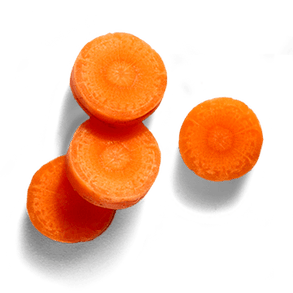
Carrot
Carrots are a fantastic, low-calorie snack for dogs who love a good crunch. They’re packed with fiber, which makes them great for weight management. Plus, carrots provide beta-carotene, which helps support healthy vision and a strong immune system.
Whether you serve them raw for a tooth-cleaning crunch or cooked for easier digestion, carrots are a simple way to add goodness to your dog's day.
Table of Contents

Green beans
If you want to help your dog feel full without the risk of putting on weight, green beans are a great option because they’re low in calories and rich in vitamins A, C, and K.
Fresh or frozen beans are the best option. Always stay away from canned beans, which usually have too much salt.

Sweet Potato
Sweet potatoes are a good source of vitamins B6 and C, which can help keep your dog’s skin and eyes healthy. Because they’re naturally sweet, they’re higher in calories, so keep portions small.
Always serve sweet potatoes cooked and plain, and avoid any holiday versions with butter, sugar, marshmallows, or seasonings that can upset your dog’s digestive system.
Broccoli
Broccoli is packed with nutrients and provides calcium and potassium for strong bones. However, don’t give your dog too much broccoli. It contains compounds called isothiocyanates that can cause a bubbly tummy. Remember, moderation is the key.
For the best experience, feed your dog the florets (the tops) rather than the tough stems. A few small pieces of broccoli once or twice a week can provide a big boost of vitamin C to support your dog’s natural defenses.

Peas
Whether you choose snow peas or sugar snap peas, these tiny veggies provide a boost of plant-based protein and B vitamins as well as a fun texture and natural sweetness that your dog may enjoy.
Like green beans, it’s best to avoid canned peas because of the extra salt added during the canning process. Instead, choose fresh or frozen peas for a clean, simple snack that is easy to toss as a training reward or as a treat during the day.
Cauliflower
Cauliflower is a great source of antioxidants and fiber, but, like broccoli, it can sometimes cause gas or bloating. If you choose to feed your dog cauliflower after getting the OK from your veterinarian, it’s best to start with a very small amount to see how they react.
Stick to the tops of the plant (the florets) and skip the thick stems to ensure your pet gets all the benefits without the tummy ache. You can also cook the cauliflower before serving to make it much gentler on your dog’s stomach.

Cooked Potatoes
Potatoes are packed with energy (carbohydrates) and potassium and are usually easy on your dog’s digestion.
However, the way you prepare them is everything! You should never feed your dog raw potatoes or greasy favorites like french fries and chips. Instead, offer a small piece of boiled or baked potato without any salt, butter, or cheese as that is generally considered safe.
This keeps the snack healthy and avoids unnecessary fats that can lead to health problems.

Pumpkin
Pumpkin is a healthy treat to occasionally give your dog. It’s full of vitamins, minerals, and fiber and can help support your dog’s digestion and blood sugar levels.
That said, only give your dog plain, cooked pumpkin or 100% canned pumpkin. Avoid the canned variety with added ingredients, and never feed your dog raw pumpkin or pumpkin pie filling.
Vegetables That Are Not Safe for Dogs to Eat
Onions, Garlic, Chives, and Shallots
Onions, garlic, chives, and shallots are members of the allium family, which is extremely toxic to dogs and can damage their red blood cells.
It doesn’t matter if they’re raw, cooked, powdered, or dehydrated; even small amounts can cause anemia, vomiting, diarrhea, and weakness. Even onion and garlic powder in prepared foods can build up in your dog’s system and cause severe health problems.
Contact your veterinarian immediately if your dog eats onions, garlic, chives, shallots, or any vegetables in the allium family.
Wild Mushrooms
Avoid feeding your dog mushrooms, especially wild mushrooms. It can be very hard to tell which mushrooms are safe, so it’s best to treat all mushrooms as "off-limits."
When you’re out for a hike or playing in the yard with your dog, keep a close eye on the things growing around you (and your dog) because mushrooms can be highly toxic and cause serious issues like liver failure or seizures.
To keep your pet safe, remove any mushrooms growing in your yard and stick to store-bought treats that you know are healthy.
Raw Potatoes
A plain, cooked potato is OK as a treat, but raw potatoes are dangerous because they contain a compound called solanine, which is toxic to dogs.
Solanine poisoning can give your dog an upset stomach or even cause confusion. Always make sure potatoes are baked or boiled completely before sharing them with your dog and keep potato plants in the garden fenced off.
Corn on the Cob
While sweet corn (off the cob) can be a safe snack, the cob itself is a major "no-no." Dogs often try to swallow large chunks of the cob, which can’t be digested and may get stuck in their digestive tract. These blockages often require emergency surgery to fix.
That doesn’t mean you can’t enjoy corn on the cob now and then. Just make sure to get rid of your corn cobs in a secure place so your dog can’t get to them. If your dog swallows a corn cob, contact your veterinarian immediately.
Choose Complete Nutrition for Your Dog

While some vegetables may be fine for an occasional treat, your dog’s daily calories and nutrition should come from a complete and balanced dog food. This ensures that your canine friend gets all the essential nutrients they need to thrive.
NUTRO™ Dog Food is crafted with high-quality ingredients and features real protein sources as the #1 ingredient. Some of our recipes even include safe veggies like carrots, peas, green beans, and sweet potatoes!
By choosing NUTRO™ recipes, you’re providing delicious, wholesome meals for your dog!
Contributor
Jessica Gilliam is a veterinarian with more than 14 years of clinical experience, specializing in small animal medicine. She is passionate about surgery, dentistry, mentorship, and education. Jessica serves as the Community Chair for the Tennessee Market at Banfield and oversees Mars Petcare’s PetConnect chat, which offers free educational support for pet parents. In her free time, she enjoys hiking and baking.
References
- https://www.akc.org/expert-advice/nutrition/fruits-vegetables-dogs-can-and-cant-eat/
- https://vcahospitals.com/know-your-pet/onion-garlic-chive-and-leek-toxicity-in-dogs
- https://vcahospitals.com/know-your-pet/nutrition-general-feeding-guidelines-for-dogs
- https://www.aspca.org/pet-care/animal-poison-control/people-foods-avoid-feeding-your-pets
- https://www.fda.gov/animal-veterinary/animal-health-literacy/tips-safe-handling-pet-food-and-treats
- https://www.merckvetmanual.com/management-and-nutrition/nutrition-small-animals/nutritional-requirements-of-small-animals
- https://www.merckvetmanual.com/toxicology/food-hazards/garlic-and-onion-allium-spp-toxicosis-in-animals