
Whether your dog's scratching more than usual or has a dull coat, figuring out what's going on with them can be overwhelming. It is something in their environment? Is it their food? While the information on this page is not a substitute for veterinarian assessment, our Sensitive Support Center is designed to provide you with information, guidance, and tools to help you navigate your dog's sensitivities and skin health.





Why Nutro?
Pet health is at the forefront of everything that we do. We are committed to creating top-quality, nutritious pet food and we're constantly looking to provide benefits that are relevant to pet parents and their pets. We also know that every dog is unique, which is why we have recently upgraded the NUTRO NATURAL CHOICE™ dry dog diets to add more protein, vitamin E, and prebiotic fiber to support dogs' overall health. With these changes, we're catering to sensitive skin & coat, and digestion.
Your Dog's Skin Health

The number of dogs with skin health issues varies widely but a Mars report found approximately 18% of pet parents report skin health issues for their dog

58.7% increase from 2019-2020 in pets diagnosed with skin issues (Banfield, 2020)
From itching to discomfort, skin health can drastically affect a dog's wellbeing. Your dog's skin and coat make up, on average, 12% of their body weight, and can play a vital role in their overall health by providing protection, immunity, and more. There are several factors that can impact your dog's skin and paw health, including irritation from allergens to sensitivities to food or environment.
For common skin-related problems, paw-related symptoms are seen in up to 75% of cases (Ryu et al., 2025; Graham et al., 2019).




It can all start with their nutrition.
The right diet can help support your dog's skin and coat health.
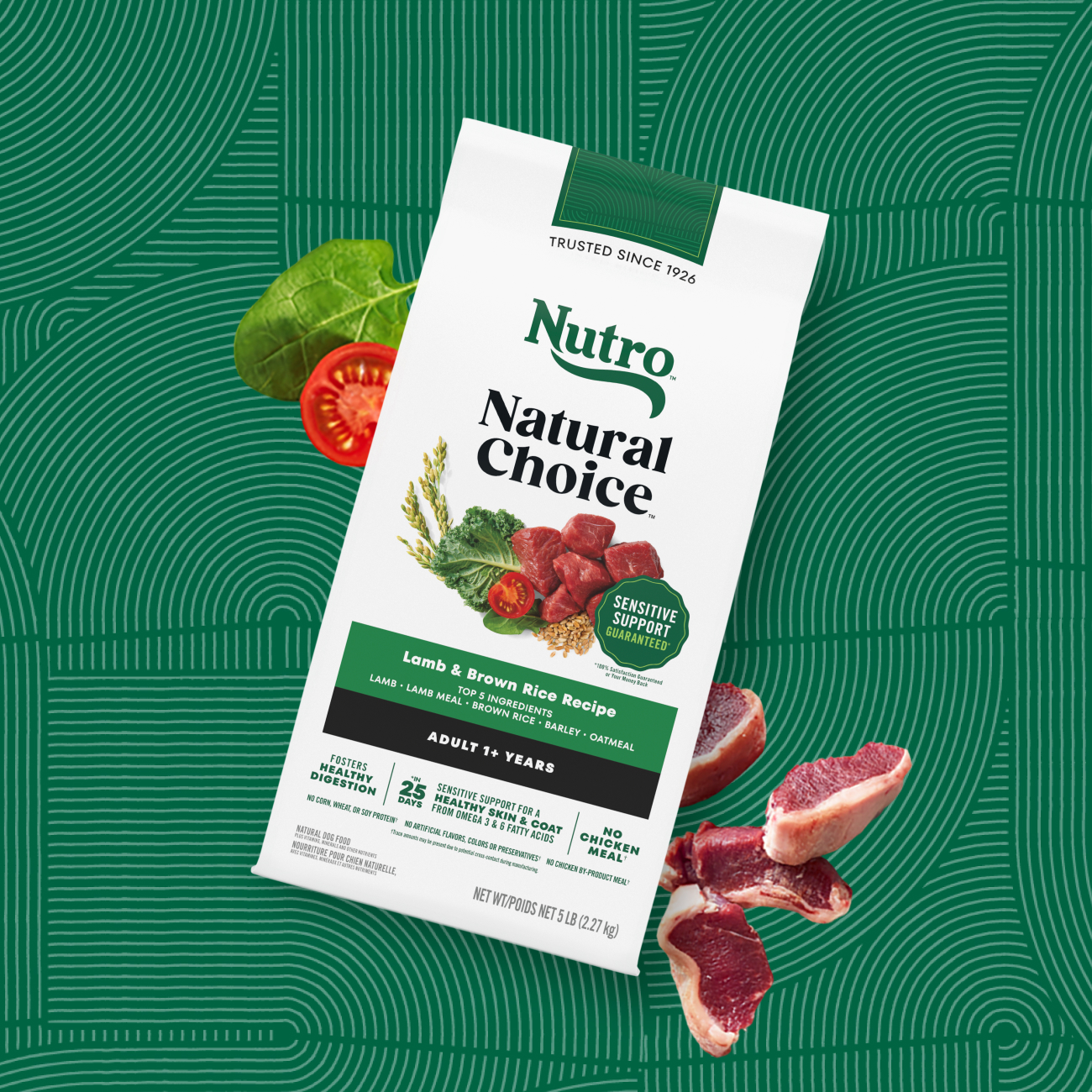
NUTRO NATURAL CHOICE™ Dry Dog Food
Our NUTRO NATURAL CHOICE™ dry dog recipes are nutrient-rich recipes made with real, recognizable, natural ingredients plus vitamins, minerals, and other nutrients to support overall health. The recipes also contain animal protein sources as the first ingredient. They are made with omega 3 & 6 fatty acids to support healthy skin and coat.
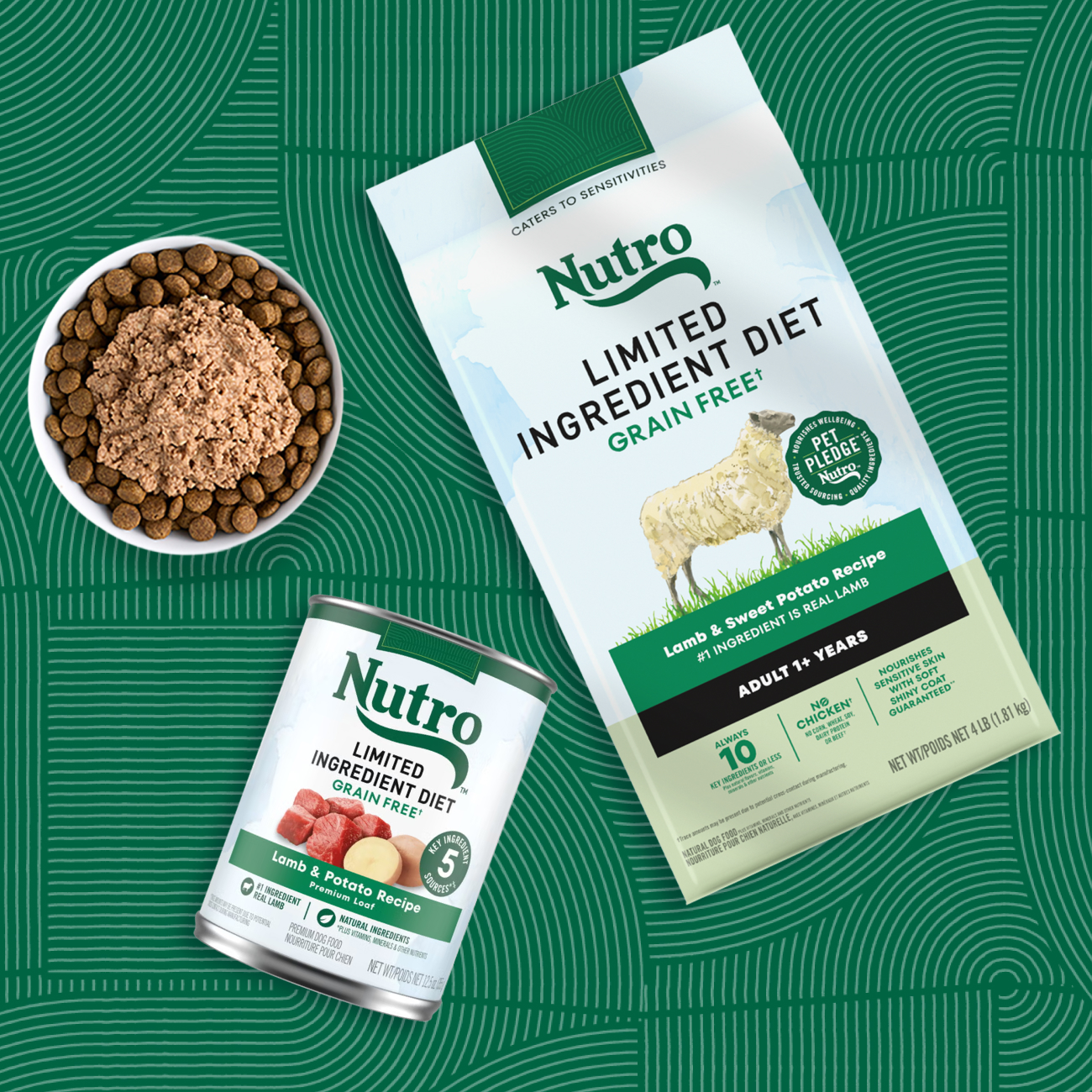
NUTRO™ Limited Ingredient Diet
NUTRO Limited Ingredient Diet dog food is specifically crafted with your dog's food sensitivities in mind. This recipe is made with 10 key ingredients or less, plus vitamins, minerals, and other nutrients. These recipes are formulated without ingredients that can cause food sensitivities like beef, dairy, chicken, and wheat.
Satisfaction Guaranteed
All of our products carry a 100% satisfaction guarantee. If for any reason you and your pet are not happy with the product, please keep the package, any unused portion of the product, and your receipt and reach out to us. You can call us at 1-800-833-5330 in the US or send us a message via our Contact Support Form for a complete refund or replacement!
Related Articles
Dog Allergies: Causes, Signs, and Treatments
Dog allergies are immune reactions to food, environmental triggers, or flea bites. Common signs include excessive scratching, paw licking, and ear infections.
EXPLORE
Why Is My Dog So Itchy? Identifying Common Skin Health Concerns
Is your dog scratching, shedding, or showing signs of irritation? Learn how to identify common skin irritation and discover how the NUTRO™ Sensitive Support Center and Pawscan tool can help support.
EXPLORE
Can Dogs Eat Fish? Learn If Fish Is Healthy or Toxic
Wondering if your dog can eat fish? We break down if fish is healthy or not for your dog and which kinds of fish your dog can have.
EXPLORE
Why NUTRO™ is Committed to Healthy Soil
Soil isn't just dirt, it's a life-giving resource: a living, dynamic ecosystem teeming with organisms.
EXPLOREDisclaimer
Always consult your veterinarian if your dog is experiencing any signs of skin health issues. While the information on this page is meant to help you understand what might be going on, some signs that look like sensitivities could indicate other health issues requiring medical attention. Your veterinarian is your partner in helping your dog feel their best.
Frequently Asked Questions
-
Are there common ingredients I should avoid if my dog has food sensitivities?
If your dog has food sensitivities, it’s best to avoid ingredients that commonly trigger sensitivities. NUTRO™ Limited Ingredient Diet dog foods are made with 10 key ingredients or less and are formulated without the ingredients that are the most common causes when food sensitivities arise, such as beef, dairy and chicken. Always review ingredient lists carefully and consult your veterinarian to identify specific ingredients affecting your dog.
How do I transition my dog to a new food?
Transitioning your dog to a new food, such as one of the NUTRO NATURAL CHOICE™ Dry Dog Foods, should always be done gradually over 5 to 7 days to minimize digestive upset. Start by mixing 25% of the NUTRO™ food with 75% of your dog’s current food for the first 2 days. Then, increase the new food to 50% for the next 2 days, followed by 75% for another 2 days. By day 7, your dog should be eating 100% of the new food. This gradual transition helps your dog’s digestive system adjust to the new ingredients and reduces the risk of vomiting, diarrhea, or refusal to eat that can happen during a diet transition.
Is NUTRO™ dog food suitable for dogs with grain sensitivities?
NUTRO brand offers a variety of grain-free dog food recipes. The NUTRO™ Limited Ingredient Diets are specifically formulated to be grain- free. Instead of grains, the NUTRO™ Limited Ingredient Diets use alternative carbohydrate sources like sweet potatoes, potatoes, and lentils. Always consult your veterinarian before switching your dog’s diet, especially if your dog has known sensitivities.
What are the most common signs of skin sensitivity in dogs?
Common signs of skin sensitivity in dogs include excessive scratching, licking, or biting of the skin, redness, rashes, hair loss, and hot spots. Some dogs may also have flaky or oily skin, or a foul odor.
What can cause skin sensitivities in dogs?
Skin sensitivities in dogs can be caused by a variety of factors, which is why it is crucial to visit your veterinarian if you have any concerns. Causing factors can include allergies to food, environmental allergens, or flea bites, bacterial or fungal infections, parasites (such as mites), hormonal imbalances, and genetic predispositions.
How can I tell if my dog has a food allergy?
Food allergies in dogs often manifest as skin issues, such as itching, rashes, anal gland problems, and ear infections. Other signs may include gastrointestinal problems like vomiting, diarrhea, and flatulence. To determine if your dog has a food allergy, consult your veterinarian.
What foods do we recommend for dogs with sensitive skin?
Depending on what is the cause of the sensitive skin, your dog may benefit from a diet like the NUTRO™ Limited Ingredient Diet dog food. These recipes are made with 10 key ingredients or less and are formulated without ingredients that commonly cause food sensitivities like beef, dairy, chicken, and wheat.
We also manufacture the NUTRO NATURAL CHOICE™ Dry Dog Food. This range of diets, other than the NUTRO NATURAL CHOICE™ Healthy Weight Adult Dry Dog Food, have an optimal ratio of omega 3 & 6 fatty acids to support sensitive skin. We have recently updated these diets to add more protein, vitamin E, and natural prebiotic fiber to support dogs’ overall health. With these changes, we’re catering to sensitive skin & coat, and digestion.
How can I support my dog's itchy skin?
Skin health for itchiness in dogs depends on the underlying cause and it is recommended that you consult with your veterinarian if you have any concerns. Your veterinarian can determine the best course of action. Regular grooming and keeping their environment clean can also help.
Are there natural remedies for dog skin issues?
It’s important to consult your veterinarian before using any natural remedies to ensure they are safe and appropriate for your dog.
Can stress cause skin problems in dogs?
Stress can exacerbate skin problems in dogs. Stress can lead to increased scratching and licking, which can worsen existing skin conditions. Consult your veterinarian to learn about managing your dog's stress.
What should I do if my dog has a hot spot?
Hot spots, or acute moist dermatitis, are painful, inflamed areas of skin that can quickly become infected. Hot spots can happen for a variety of reasons. If your dog has a hot spot, it's important to see a veterinarian for proper treatment and to identify the underlying cause.
How can I maintain my dog's skin health?
Maintaining good hygiene, regular grooming, and addressing any underlying issues such as allergies or parasites can help with your dog’s skin health. Use a gentle, hypoallergenic shampoo, keep your dog's living area clean, and ensure they have a balanced diet. Regular veterinarian check-ups can also help catch and treat potential issues early. Always consult your veterinarian before trying any new product.
Are there specific breeds that are more prone to skin sensitivities?
Yes, certain breeds are more prone to skin sensitivities. These include breeds like German Shepherds, Retrievers, Terriers, and Bulldogs. However, any breed, including mixed-breed dogs can have skin sensitivities. Genetic predispositions, environmental factors, and diet can all play a role in these sensitivities.
What is the role of omega-3 & 6 fatty acids in dog skin health?
Omega-3 and 6 fatty acids, particularly those found in fish oil, can be beneficial for your dog’s skin health and coat shine and condition and for dogs with sensitivities. Many of the NUTRO NATURAL CHOICE™ Recipes are formulated with an optimal ratio of Omega-3 and Omega-6 Fatty Acids to nourish sensitive skin for a soft and shiny coat guaranteed in 25 days, 100% satisfaction guaranteed or your money back.
How can I manage my dog's environmental allergies?
An appropriate plan for managing environmental allergies in dogs can only be determined in consultation with your veterinarian. Regular cleaning of your home, using air purifiers, wiping down paws after being outside, and bathing your dog to remove allergens from their coat can help. Your veterinarian may also recommend allergy testing or injections, antihistamines, or other medications to control signs, depending on the diagnosis.
What should I do if I am concerned about my dog’s skin health?
If you have any concerns about your dog’s skin health, you should always speak to your veterinarian for advice. Persistent skin issues can be a sign of a more serious health problem, so ongoing veterinary care is crucial.
![fullwidth carousel background image]()
SOURCES
banfield.com / vcahospitals.com / advancedveterinarynutrition.com / royalcanin.com
O’Neill, D. G., James, H., Brodbelt, D. C., Church, D. B., & Pegram, C. (2021). Prevalence of commonly diagnosed disorders in UK dogs under primary veterinary care: results and applications. BMC Veterinary Research, 17, 1–14.Hensel, P., Santoro, D., Favrot, C., Hill, P. and Griffin, C., 2015. Canine atopic dermatitis: detailed guidelines for diagnosis and allergen identification. BMC veterinary research, 11(1), p.196.