
What Foods Can Dogs Eat and What Should They Avoid?
Some foods are typically okay to feed your dog as occasional treats, such as blueberries and apples without seeds, while other foods (like chocolate and grapes) can trigger stomach upset or more serious health problems.
In this guide, we'll list which foods are generally safe for dogs and which ones aren't so you can make the best choices for your pet.
Every dog is unique, and factors such as age, weight, breed, health status, and allergies can affect what is appropriate and safe. Always talk to a veterinarian before introducing new foods into your dog's diet.
Key Takeaways
- Most dogs can generally eat certain fruits, vegetables, and proteins, but many common foods are toxic and should be avoided.
- Foods dogs can eat include unseasoned lean meats like chicken, specific fruits like blueberries and apples (without seeds), and vegetables such as carrots.
- Never feed your dog chocolate, grapes, raisins, currants, cherries, green tomatoes, onions, avocado, garlic, alcohol, or products containing the sweetener xylitol. These can cause severe illness.
- Contact your veterinarian immediately if your dog eats a known toxic food or starts vomiting, develops diarrhea, or becomes lethargic after trying something new.
Safe Versus Unsafe Foods for Dogs: Cheat Sheet
Category | Generally Safe Foods | Unsafe Foods |
Fruits | Apples (no seeds), blueberries, strawberries, bananas, watermelon | Grapes, raisins, currants, cherry pits, avocado (pit/skin) |
Vegetables | Carrots, green beans, cucumbers, peas, zucchini, plain cooked pumpkin | Onions, garlic, leeks, chives, shallots, green tomatoes, avocados, and raw potatoes |
Proteins | Cooked chicken, turkey, lean beef cooked eggs, white fish | Raw/undercooked meat, cooked bones, fatty cuts, bacon, processed meats |
Grains | Plain rice, oatmeal, quinoa, plain pasta | Raw yeast dough, bread with garlic, heavily seasoned dishes |
Dairy | Small amounts of plain yogurt, small pieces of cheese | Ice cream, sweetened dairy, heavy cream, products with xylitol |
Snacks | Plain air popped popcorn, plain peanut butter (no xylitol) | Chocolate, candy, xylitol products, alcohol, macadamia nuts |
Foods Dogs Can Eat

Table of Contents
Dogs can eat certain foods that you might find on your own plate, including specific plain fruits, vegetables, proteins, and grains. If you want to work these foods into your dog’s diet, look for a complete and balanced dog food that includes them as ingredients.
If you decide to feed your dog these foods directly, be sure to limit them and only offer them as occasional treats once or twice a week.
Fruits Dogs Can Eat
Fruit is a good source of vitamins, fiber, and natural sweetness, but you should only feed your dog fruits that won’t hurt their stomach or affect their overall health. What’s more, fruit should be an occasional treat, not an everyday part of your dog’s diet.
Before you feed your dog any fruit, remove all seeds, pits, and cores because they may contain toxic compounds or can become a choking hazard.
Here’s a list of fruits that are generally safe in moderation for most dogs.

Apples
Apples contain dietary fiber, vitamin A, and vitamin C as well as antioxidants that may help reduce inflammation. (Note: seeds and core parts are toxic.)

Blueberries
Blueberries are rich in antioxidants, vitamin C, vitamin K, fiber, and manganese..
Strawberries
Strawberries provide vitamin C, fiber, and antioxidants that support immune function as well as enzymes that may help keep your dog’s teeth white.
Bananas
Bananas are high in potassium, vitamin B6, vitamin C, and fiber.
Seedless Watermelon
Seedless watermelon has extremely high water content (up to 92%) and contains natural electrolytes that can help support hydration and maintain fluid balance. Additionally, they contain vitamins A, B6, and C.
Vegetables Dogs Can Eat
Vegetables provide fiber, vitamins, minerals, and low-calorie nutrition for dogs of all ages and sizes. If you choose to give your dog vegetables, always go with the fresh or frozen variety without additives, and avoid canned vegetables with added sodium or preservatives.
As with fruits, be sure to remove any seeds or other dangerous parts before feeding vegetables to your dog.
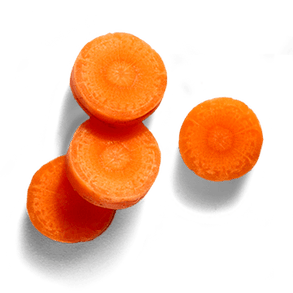
Carrot
Carrots are rich in beta carotene and vitamin A, which support vision and immune function. Plus, their crunchy texture can also help reduce plaque buildup.

Green beans
Green beans are low in calories and provide fiber, vitamins C and K, and manganese.
Cucumbers
Cucumbers have a very high water content (upwards of 96%) and are very low in calories. They also provide vitamins K and C, along with potassium and magnesium.
Peas
Peas provide plant-based protein, fiber, vitamins A, K, and B, as well as lutein for eye health.
Zucchini
Zucchini is low-calorie and has high-water content. They provide potassium, magnesium, and vitamins C and A.
Plain Pumpkin
Plain pumpkin is rich in soluble fiber that supports digestive regularity and contains beta carotene, vitamins A and C, and potassium.
Proteins Dogs Can Eat
Lean animal proteins are essential for your dog’s overall health and longevity. As with many of the other foods on this list, the best way to include lean protein in your dog’s diet is to feed them a complete and balanced dog food with protein at the top of the ingredients list.
If you choose to give your dog animal protein directly, always cook the meat first and remove all bones, skin, and visible fat before serving.
Chicken
Chicken provides high-quality, complete protein with all essential amino acids and is rich in B vitamins (B3, B6) to support energy metabolism and nervous system function.
Turkey
Turkey has a similar nutritional profile to chicken with its high protein and moderate fat contents. Turkey contains tryptophan, an amino acid that supports serotonin production.

Lean Beef
Lean beef contains iron, zinc, B vitamins, and conjugated linoleic acid (CLA), which are essential for blood health and immune function. Lean beef is a good option for dogs with poultry sensitivity.
Cooked Eggs
Cooked eggs provide complete protein with all nine essential amino acids. Plus, they are rich in vitamins A, D, E, B12, and riboflavin.

White Fish
White fish is low in fat and calories compared to red meat and poultry. Some white fish provides omega-3 fatty acids that support skin and coat health.
Grains and Carbohydrates Dogs Can Eat
Plain grains and other carbohydrates are easily digestible and work well as a supplement (when recommended by a veterinarian) for dogs recovering from stomach upset.
Always cook grains and carbohydrates before feeding to your dog.
White Rice
White rice is easily digestible and great for dogs with digestive upset.
Oatmeal
Oatmeal provides soluble fiber for digestive health, B vitamins, iron, and magnesium. Oatmeal is a great option for dogs with wheat sensitivities.
Quinoa
Quinoa is a complete plant protein that contains all nine essential amino acids. Quinoa is suitable for dogs with grain sensitivities and is rich in fiber, iron, magnesium, and B vitamins.
Pasta
Pasta is easy to digest and provides energy without strong flavors or potential irritants. Always cook pasta before putting it in their bowl.
Dairy Dogs Can Eat
Dogs can eat some dairy products, but use them with caution. Many adult dogs are lactose intolerant and lack sufficient lactase enzymes to digest dairy. Symptoms of lactose intolerance include gas, soft stools, bloating, and an upset stomach.
If any of these symptoms appear, stop feeding your dog dairy immediately and consult your veterinarian.
Plain Yogurt
Plain yogurt is full of probiotics to support digestive health, and it has lower lactose levels than milk.
Cheese
Cheese is a great source of protein, calcium, and vitamin A. Keep in mind that hard cheeses, like cheddar, have less lactose than soft cheeses and may be easier on your dog’s tummy.
Foods Dogs Should Not Eat

All of the foods or ingredients in categories listed below contain natural chemical substances that can be extremely toxic (and even fatal) to your dog. Do not give them to your dog in any quantity.
Fruits and Sweeteners
Fruits like grapes and raisins can cause sudden kidney failure, while cherry pits and avocados contain dangerous toxins and pose choking risks.
You should also be extremely careful with xylitol, a common sugar substitute found in many gums and snacks. Even a tiny amount of these items can be life-threatening for your dog.
Vegetables and Seasonings
Onions, garlic, leeks, chives, and shallots can damage your dog’s red blood cells and should never be shared. Be extremely careful with garden items, too, as wild mushrooms, the green parts of tomatoes, and raw potatoes are highly toxic to dogs.
Lastly, keep raw yeast dough out of reach, as it can expand painfully in your dog’s stomach.
Harmful Proteins and Animal Products
It can be tempting to share your leftover food with your dog, but fatty meats like bacon, ham, and sausage can cause serious digestive trouble for dogs. It's also important not to give your dog cooked bones, which can splinter and cause internal injuries.
Chocolate, Caffeine, and Related Products
Chocolate and caffeinated drinks contain stimulants that are dangerous to your dog's heart and nervous system.
Alcohol and macadamia nuts are also strictly off-limits and can lead to severe weakness or poisoning. Always store these foods in a secure cabinet where your curious dog can't reach them.
When to Call Your Veterinarian
Contact your veterinarian immediately if your dog eats any unsafe foods, or if they start vomiting, develop diarrhea, lethargy, tremors, or unusual behavior after eating.
Never attempt home remedies or induce vomiting without direct instruction from your veterinarian.
If your dog has an existing allergy, chronic health conditions, or special dietary needs, always consult your veterinarian before introducing new foods. For puppies, senior dogs, and dogs with compromised immune systems, always exercise extra caution when introducing new foods.
The Best Meal for Your Dog

The safest everyday meal for your dog is a complete and balanced dog food with plenty of healthy protein, carbohydrates, and fat.
Try NUTRO™ Dog Food recipes, which are made with highly digestible proteins and trusted ingredients to support overall health. For more information on how to provide a happy and active life for your dog, explore more of NUTRO.com today.
Contributor
Dena Bley is a registered veterinary technician with 25 years of experience and Sr. Expert Advice Team member. She began her career as a researcher at P&G before joining the Pet Health and Wellness Team at Mars 2014. With deep roots in Ohio, Dena brings over a decade of research experience and a passion for animal care, complemented by her hands-on work with a variety of animals on her family’s small farm.
References
- https://www.aspca.org/pet-care/animal-poison-control/people-foods-avoid-feeding-your-pets
- https://www.avma.org/resources-tools/avma-policies/raw-or-undercooked-animal-source-protein-cat-and-dog-diets
- https://pmc.ncbi.nlm.nih.gov/articles/PMC4801869/
- https://vcahospitals.com/know-your-pet/grape-raisin-and-currant-poisoning-in-dogs
- https://www.vet.cornell.edu/departments-centers-and-institutes/riney-canine-health-center/canine-health-information/re-evaluating-your-dogs-diet