

Cat Allergies: Causes, Symptoms, and Treatments
Just like humans, cats can develop allergies and sensitivities to their food, home, or environment, including flea bites, ingredients, pollen, cleaning products, fabrics, and more.
When your cat’s immune system reacts to these triggers, they can end up with itchy skin, a runny nose, or an upset stomach. The good news is that with proper diagnosis and care, you can reduce your cat’s allergies and help them get back to feeling great again!
In this guide, we'll cover different types of cat allergies, what causes allergic reactions, common allergy symptoms, and several treatment options.
Note: If you suspect your cat has allergies, consult your veterinarian. They can help determine the type of allergy your cat may have and recommend an appropriate care plan.
Key Takeaways
- Cats can develop allergy symptoms at any age, even for things they have been exposed to for years before.
- Symptoms of cat allergies depend on the type of allergy and can include itching, scratching, hair loss, skin irritation, and digestive issues.
- Flea allergies are very common in cats. Even a single flea bite can trigger intense itching that lasts days or even weeks.
- Food allergies cause skin and digestive symptoms. Diagnosis and treatment may require an 8-to-12-week elimination diet trial supervised by a veterinarian.
- Environmental allergies may be triggered by pollen, dust mites, or mold and can occur seasonally or all year long.
- Contact allergies may result from direct skin contact with irritants like cleaning products or fabrics.
- Identifying and avoiding the specific allergen, combined with veterinary guidance, is the most effective approach to lasting relief.
What Is a Cat Allergy?

At its most basic, an allergy is your cat’s immune system overreacting to a foreign substance. When their body identifies a harmless substance as a threat, it creates antibodies that trigger inflammation, which shows up as itchy skin, sneezing, or even an upset stomach.
It’s also worth noting that cat allergies can develop at any age (and for substances that your cat has been exposed to for years), so it’s important to watch for the symptoms and consult with your veterinarian to keep your cat as healthy and active as possible.
Types of Cat Allergies
Allergy Type | Key Symptoms | Affect Areas | Seasonal Pattern |
Flea Allergy Dermatitis | Intense itching, hair loss, miliary dermatitis | Rump, tail base, neck, head | Year round (peaks in warm months) |
Food Allergies | Itching, vomiting, diarrhea, ear infections | Face, ears, paws, whole body | Year round, constant |
Environmental Allergies (Atopy) | Generalized itching, sneezing, watery eyes | Face, ears, paws, groin, armpits | Seasonal or year round |
Contact Allergies | Localized redness, rash, chin acne | Chin, paws, belly, ears | After exposure to trigger substance |
Table of Contents
Note: This table is for general reference only. Symptoms can overlap between allergy types, and cats may have multiple allergies simultaneously. Consult your veterinarian for an accurate diagnosis.
Flea Allergy Dermatitis
Causes
Flea allergy dermatitis is a common cat allergy, particularly in warmer climates where fleas thrive year-round. But it isn’t a reaction to the insect itself. Rather, it’s a reaction to the proteins in flea saliva that interact with your cat’s skin when they get bitten.
Just one bite can trigger intense itching that lasts for weeks. Even indoor cats are at risk, as fleas can get into your home on shoes or clothing.
Symptoms
If your cat is scratching more than usual, they might be reacting to a flea bite. Other symptoms include hair loss or small, crusty bumps known as miliary dermatitis (especially around the tail and neck).
You may also notice red, irritated skin or open sores, indicating that your cat’s body is working overtime to fight off the threat.
Diagnosis
Because cats groom off adult fleas, live fleas usually aren’t visible. A flea allergy is often diagnosed based on evidence of flea poop as well as the history of flea prevention. If fleas are suspected, your veterinarian may recommend a strict flea prevention regimen for every pet in your home.
Treatment
In addition to a flea prevention plan, your veterinarian may recommend corticosteroids (for short-term itch relief), antibiotics, or other targeted treatment.
You may also need to wash your cat’s bedding, vacuum carpets, sweep and dust hard floors, and treat your home for fleas to help limit exposure.
Food Allergies
Causes
Food allergies occur when your cat's immune system mistakenly identifies an ingredient (usually a type of protein) in their diet as harmful and triggers an inflammatory response.
Your cat can develop an allergy or sensitivity to certain protein sources or other foods at any age and even after eating the same food for months or years.
Symptoms
Common symptoms of food allergies include recurring ear infections, skin-related issues, and digestive issues.
Skin-related signs (that may affect up to 6% of cats with food allergies) include itching, scratching, skin irritation on the face, ears, and paws, and hair loss.
Digestive signs (that may affect up to 22% of cats with food allergies) include vomiting, diarrhea or loose stools, flatulence, or frequent bowel movements.
Diagnosis
To diagnose a food allergy, veterinarians often prescribe a specialized elimination diet of novel protein or hydrolyzed protein food, without treats, flavored medications, or other foods during the trial.
When your cat’s skin or tummy trouble improves, your veterinarian will slowly reintroduce different foods to confirm which ingredients caused the original flare-up.
Treatment
Once your veterinarian has identified the ingredient your cat’s allergic to, they’ll recommend a long-term treatment option for your cat, which includes avoiding the allergen in the future and possibly putting your cat on a limited-ingredient diet.
Environmental Allergies (Atopy)

Causes
Environmental allergies, also called atopy, develop when your cat’s body overreacts to substances that they’ve inhaled or absorbed through their skin.
Common allergens include pollen (from trees, grass, or weeds), dust mites, mold spores, and mildew. Depending on where you live, these allergens may be present during certain seasons only or all year long.
Symptoms
Symptoms of environmental cat allergies and sensitivities include generalized itching, excessive grooming or licking, hair loss, and inflamed skin (especially on face, ears, paws, groin, and armpits).
You may also notice your cat sneezing, coughing or wheezing, or with watery or irritated eyes and a runny nose.
Diagnosis
If fleas and food aren't the cause, environmental allergies are likely to blame!
Your veterinarian may do a blood or skin test to identify specific allergens that are affecting your cat. These results are essential for creating a custom treatment plan to help your cat thrive wherever they live.
Treatment
Veterinarians often recommend a combination of treatments for environmental allergies, including medications, immunotherapy, and environmental management.
Medications may include corticosteroids (or other anti-inflammatories), cyclosporine, and essential fatty acid supplements to help support skin health. It’s important to note that new medications are always coming out, so this list may change.
Immunotherapy treatments include injections or sublingual drops, both of which work to reduce sensitivity over time. Your veterinarian can help determine whether immunotherapy is appropriate for your cat.
Environmental management might mean running an air purifier to reduce airborne allergens, cleaning your home regularly to minimize dust and mold, and washing your cat’s bedding frequently.
Contact Allergies
Causes
While not common for most cats, contact allergies can sometimes happen. They occur when your cat's skin reacts to direct physical contact with an irritating substance. Common triggers include cleaning products, laundry detergents, fabric softeners, and carpet deodorizers.
Even fabrics, bedding materials, plastic bowls, or carpet fibers can cause contact allergies with repeated exposure over time.
Symptoms
Symptoms of contact allergies in cats include noticeable redness, rashes, and even small bumps or blisters.
You might also see your cat focus their scratching on specific areas (e.g., their chin, belly, or paws) to the point that it can cause hair loss in these areas.
Diagnosis
Your veterinarian will be able to narrow down the contact allergy by looking at exactly what part of your cat’s body is itchy, red, and irritated. They’ll also likely ask about what household cleaners you use and where your cat sleeps at night.
They’ll then recommend removing suspected triggers one by one to pinpoint the cause and help you nurse your cat’s skin back to health.
Treatment
The best treatment for contact allergies is to remove the substance that’s causing the reaction. Your veterinarian may also recommend topical or oral medications to reduce itching, and using a fragrance-free, hypoallergenic laundry detergent when you wash their bedding.
Support Your Cat's Everyday Vitality with NUTRO™ Cat Food
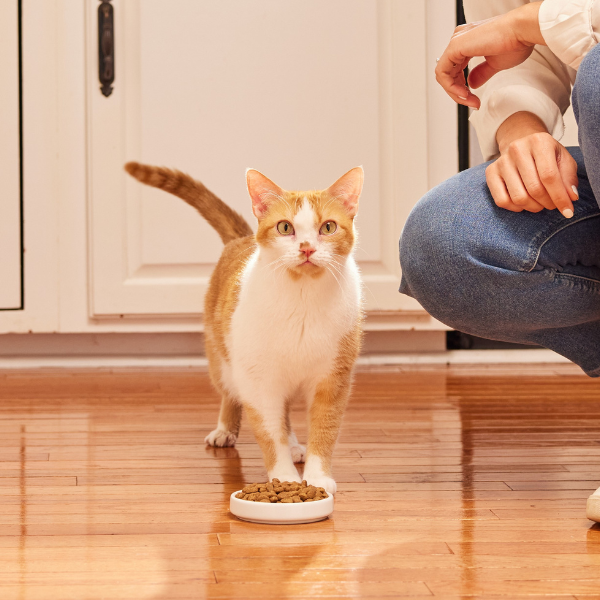
Managing your cat’s allergies is a journey that starts with understanding their unique needs and providing the right support. While NUTRO™ recipes aren’t intended to treat or manage allergies or sensitivities, quality nutrition is a vital part of your cat’s overall well-being.
Choosing recipes with high-quality animal protein sources as the first ingredient will help your feline friend stay strong and active.
From indoor formulas to sensitive options, and with recipes for every life stage from kitten to senior, the NUTRO™ Brand offers balanced meals made with wholesome, natural ingredients.
Shop NUTRO™ Cat Food for delicious dry and wet cat food options!
Contributor
Jessica Gilliam is a veterinarian with more than 14 years of clinical experience, specializing in small animal medicine. She is passionate about surgery, dentistry, mentorship, and education. Jessica serves as the Community Chair for the Tennessee Market at Banfield and oversees Mars Petcare’s PetConnect chat, which offers free educational support for pet parents. In her free time, she enjoys hiking and baking.
References
- https://vcahospitals.com/know-your-pet/allergies-in-cats
- https://vcahospitals.com/know-your-pet/allergy-flea-allergy-in-cats
- https://www.vin.com/apputil/content/defaultadv1.aspx?pId=17256&meta=1&catId=93555&id=4952664&ind=661&objTypeID=1007
- https://todaysveterinarypractice.com/nutrition/diet-trial-to-identify-food-allergies-in-dogs-and-cats
- https://www.dvm360.com/view/identifying-food-allergies-veterinary-elimination-diet-trial
- https://vcahospitals.com/know-your-pet/implementing-an-elimination-challenge-diet-trial-cat
- https://www.fda.gov/animal-veterinary/cvm-updates/fda-approves-first-generic-cyclosporine-oral-solution-cats-treatment-allergic-dermatitis
- https://www.merckvetmanual.com/integumentary-system/atopic-dermatitis/feline-atopic-dermatitis